

The Science of Feeling Good
How rose changes how you feel
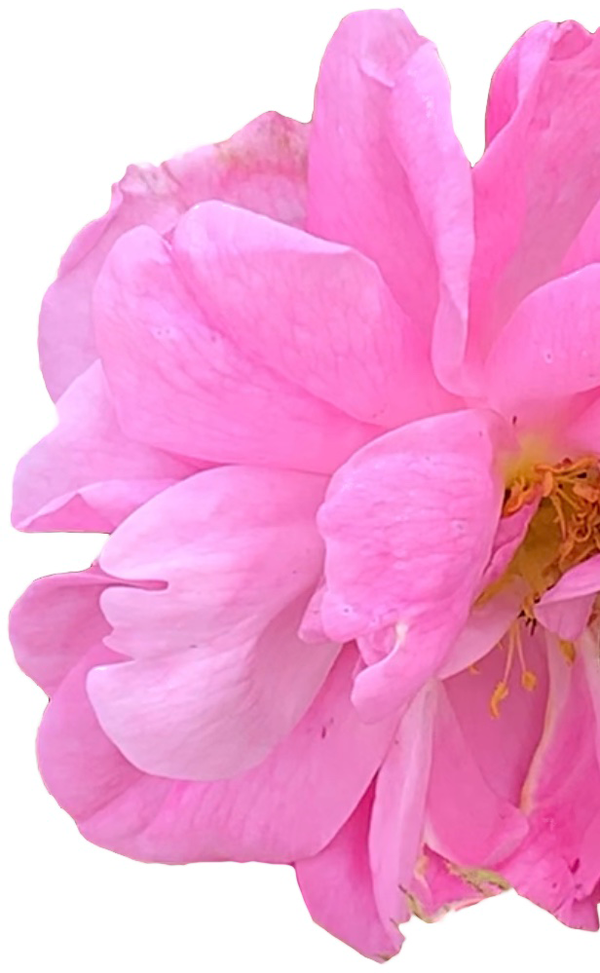
The Bulgarian Rose is packed with aromatic terpenes — natural compounds like citronellol, geraniol and nerol that give the rose its extraordinary scent and taste.
When you sip or breathe them in, they reach your senses of taste and smell, and from there travel one of the fastest pathways in the body to the parts of the brain that handle emotion, memory and stress.
In other words, rose doesn’t just smell beautiful. It can change how you feel.
The research backs this up. A 2025 review of 28 clinical trials found that rose aromatherapy significantly eased anxiety and stress and improved sleep.
Science is catching up with what traditional medicine has understood for centuries. Across cultures, rose has long been used to lift the mood, soothe emotional distress and support a sense of inner wellbeing. To this day it is treasured as a plant of emotional uplift, comfort and renewed vitality.
And now, the brain itself
New research takes the story further. In a 2024 MRI study, women who wore rose scent every day for a month showed more gray matter across the whole brain, including in a region involved in memory and thinking.
That’s striking, because chronic stress and depression are linked to the opposite: less gray matter in the areas that regulate emotion.
It’s early research, but it adds to a growing picture: rose may shape not just how we feel, but the brain itself.